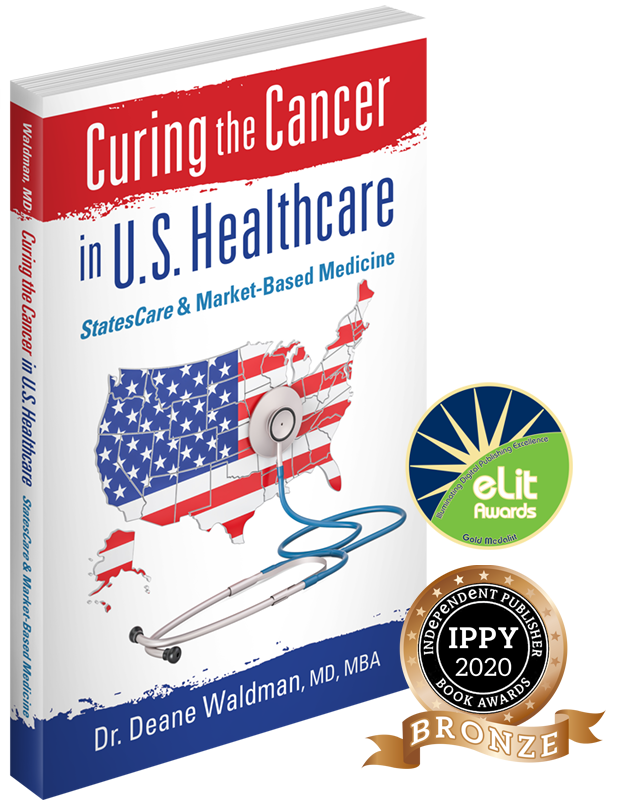








Dr. Deane Waldman brings clarity, evidence, understanding and a workable solution to our sick healthcare system.


WELCOME... to healthcare YOUR way!!
If you’re like most people in our country, you may be asking yourself:
If you have voiced even one of these complaints, you have come to the right place.
Hi, I’m Dr. Deane Waldman. After 40 years of working in the system as a pediatric cardiologist, combined with my experiences as an educator, medical administrator and public policy advisor — along with my degrees from Yale, Chicago Medical School, Northwestern and Harvard — I am in a unique position to help you break free of the nightmare we call our healthcare system.
This is where you start to get the care you need, when you need it, at a price you can afford.
Here’s how to get going:
1. First, arm yourself against the confusing language of healthcare. Download my free Healthcare Decoder. It blows away the smoke created by terms like rescission (canceling your insurance) and abbreviations such as APTC (your insurance subsidy).
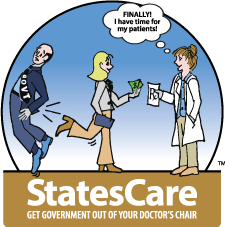 2. Then, become fully informed why healthcare is failing us. When you sign up on this website, you have unlimited access to free videos and webinars, downloadable articles and useful documents. You can also order any of my books, especially “Curing the Cancer in U.S. Healthcare.” A short book trailer is directly below.
Take charge of your health care! The time to start is now — the place is here! Welcome.


For decades, political pundits and the mass media have bombarded the public with a drumbeat of misinformation on healthcare.

Democrats now control the White House and both Houses of Congress, albeit with very slim majorities.

As the Pfizer-BioNTechvaccine is now being shipped out,and with Moderna's mRNA vaccine
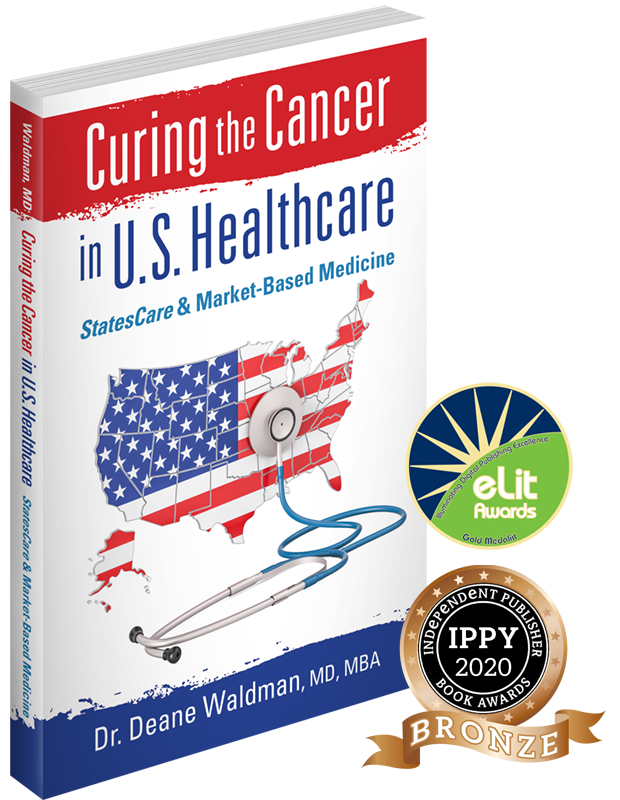 This book helps readers understand why healthcare is failing and what readers can do to save themselves and their loved ones.

1. Understand how patients suffer under the American healthcare system.

2. Accept that prior federal fixes for healthcare have consistently failed us.

3. Realize that Washington will never fix healthcare. Cancer cannot cure cancer.

4. Don't give way to despair. A workable and affordable healthcare solution is actually possible.

5. Learn about StatesCare, a solution for healthcare that will work!

6. Demand that Washington get out of your doctor's chair. The people in their states should be free to choose.

A host of “fixes” have been tried on our sick healthcare system and it is sicker than ever: Medicare, Medicaid, Single Payer (at the VA), Obamacare, etc. In these pages, you will compare political rhetoric with reality. You will decide for yourself whether the government has taken good care of us, or not? Does Washington know they are the root cause of healthcare’s sickness? Do you? When you understand that the problem is cancer, you begin to see why all their so-called fixes have not helped.

Good decisions are based on hard evidence. Dr. Waldman offers you his proofs here on this site, as well as in his books and articles. From magical thinking to thinking systems; highlighting the unfunded mandate and the insurance principle; explaining what TLC means in Washington; why medical rationing will kill us; to how a “successful” Obamacare that will be the death of us: See why Dr. Waldman writes what he writes. Then decide for yourself if you agree or disagree.

Instead of trillions of dollars going to government administrators to manage tens of thousands of pages of regulations, Dr. Waldman's simple and workable plan—StatesCare—would put control of your money and your life back into your hands. YOU decide about your care and get the care you need when you need it. StatesCare greatly reduces costs both to you and to our nation. StatesCare returns control of health care to its rightful owner—YOU, the patient.
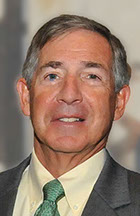 Dr. Deane was Chief of Pediatric Cardiology at: The Children’s Hospital of San Diego, The University of Chicago, and The University of New Mexico. He has seen the insides and outside of our floundering medical care systems. At present, Dr. Waldman is Distinguished Senior Fellow for Healthcare Policy Policy at Texas Public Policy Foundation. His proposal for StatesCare has the potential to revolutionize healthcare in the U.S. and save us from the imminent imminent collapse.
Offers both the diagnosis and the cure for our sick healthcare system. Inside you will discover:
Before we consider how to fix the sick American healthcare system, we need to look at how Washington is failing the American people.
Mailing address:
ADM Consulting & Books
PO Box 37396
Albuquerque, New Mexico 87176-7396
Copyright © 2015-2019 ADM Consulting & Books. All Rights Reserved. All other trademarks on this site are the property of their respective owners. Site design and maintenance by www.DesignStrategies.com.